.png)
What is quality data?
1
2
3
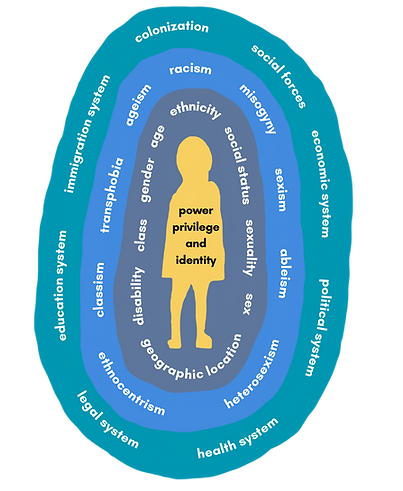
it's intersectional
An intersectional analysis considers specific aspects of identity (eg. sex, gender, ethnicity) and how they relate to systems of power, institutions & structures.
A person's power and privilege are affected by their aspects of identity.

it's disaggregated
Disaggregated data has been broken down by a person's aspects of identity (eg. sex, gender, ethnicity).
Without disaggregated data, we cannot make links between a person's aspects of identity and how those aspects relate to systems of power, institutions & structures.

it's accessible
Legislation related to privacy shape and often limit accessibility to disaggregated data - especially in rural, remote and northern contexts.
Disaggregation of data might be possible, but not accessible due to things like the Federal Privacy Act.
Why is the quality of data so low in rural, remote, and northern contexts?
-
Aspects of identity (eg. sex, ethnicity, sexuality) are not always collected, or data collection frameworks use non-comparable categories
-
There is a lack of public literacy about what constitutes "high quality socio-economic data"
-
Legislation and policies often do not describe how evidence informs decisions
-
Legislative, policy, and practice frameworks are built with the prioritization of anonymity of the individual, so disaggregation is not possible and data is made less accessible
-
There is variation across jurisdictions and institutions about cell suppression rules
-
Community-based research is not prioritized or funded
-
NGOs that are on the frontline lack capacity to collect data
-
Gender-based violence is underreported
